
Find Princeton Resident Records
Start with what you already know. A current street address opens the fastest doors: tax-map sheets, parcel data, and related land instruments. A full name works differently. It can be checked against a dated directory, an official voter-registration route, a court case, or a public business or license record. Family history usually begins at the Library’s directory and newspaper holdings, then moves outward to deeds, census records, probate files, and archives. Every source carries its own date and purpose. A grantor on a deed is simply a party to a transaction, not a resident. A directory listing is a publication-year contact, not proof of where someone lives now. Match the record to the question.
Choose the least intrusive record that answers it. That keeps a Princeton resident search clear and respects the limits built into New Jersey records.
- Check whether the address lies inside the Municipality of Princeton with municipal map tools and a tax-map sheet.
- Record the block and lot, then search the Mercer instrument index by town, party, instrument, or lot and block.
- For a registration question, use the state’s exact-name voter route or ask Mercer’s election custodian about a specific lawful request.
- For a past household, compare the closest city-directory volume, phone book, newspaper notice, and census year.
- When a record is not online, ask the custodian, library, archive, or records office for the documented fallback channel.
Princeton Records Offices
Princeton records live with municipal, county, and state custodians. Each keeper answers only its own slice. The Mercer County Clerk holds the land-record index along with the physical land holdings. Princeton’s Tax Assessor handles assessment records, tax maps, exemptions, sales information, and appeals. Its public page is not a confirmed owner-name search portal. For voters, the state system offers an exact-match route. Mercer’s Superintendent of Elections manages the regulated list-request process. Princeton’s Clerk routes municipal OPRA requests. The local registrar keeps event records. Sending each request to the right office avoids a broad ask. No single custodian can answer one.
Mercer County Clerk Land Records
209 South Broad Street
Trenton, NJ 08608
609-989-6466
Princeton Tax Assessor
400 Witherspoon Street
Princeton, NJ 08540
609-924-1084
Mercer Elections Custodian
Superintendent of Elections
640 South Broad Street
609-989-6750
State Voter Search and a particularized county request are separate routes.
Note: The Mercer Records Room keeps weekday hours of 8:30 a.m. to 4:30 p.m., and staff will explain indexing but do not run title searches.
Princeton’s 2013 Record Split
Older Princeton material may say Princeton Borough or Princeton Township instead of the consolidated municipality. The Borough dates to 1813. The Township and Mercer County were both established in 1838. On January 1, 2013, the two governments consolidated. That history explains why a deed, directory, map, or local notice can appear to carry the wrong place name. Keep the source’s own label beside its date. A legacy name is a useful search term. It is not evidence that an address falls outside modern Princeton. The municipal GIS Maps and Apps hub is a practical first check. Use it before treating a postal city or historic description as a municipal boundary.
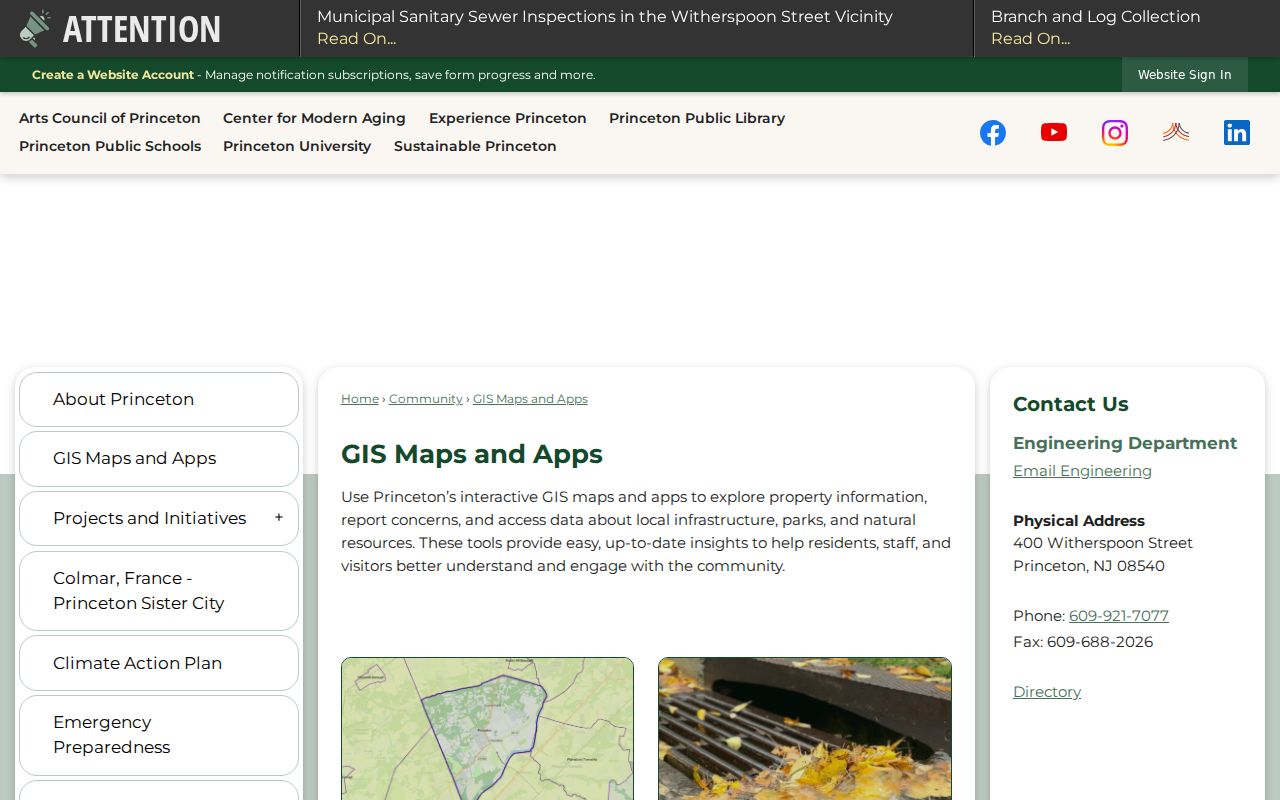
The GIS view supplies address and map context. It does not provide a complete people list or replace a dated deed or directory source.
Princeton Parcel and Deed Trail
For an address-based Princeton resident inquiry, separate the parcel from the person. Princeton tax-map PDFs identify the sheet, street, block, lot, and parcel geometry. The statewide GIS Property Explorer supports navigation by address, county, municipality, block, and lot. New Jersey redacts owner names, though. Once block and lot are in hand, the Mercer County instrument index becomes searchable. Search it by party, document type, date, instrument number, book and page, town, lot, block, consideration, board or commission, or legal-description line. Recorded parties and a legal description prove an instrument exists. They do not show who occupies the parcel today. Mercer’s Official Records Search shows the interface used to trace instruments and their linked records.
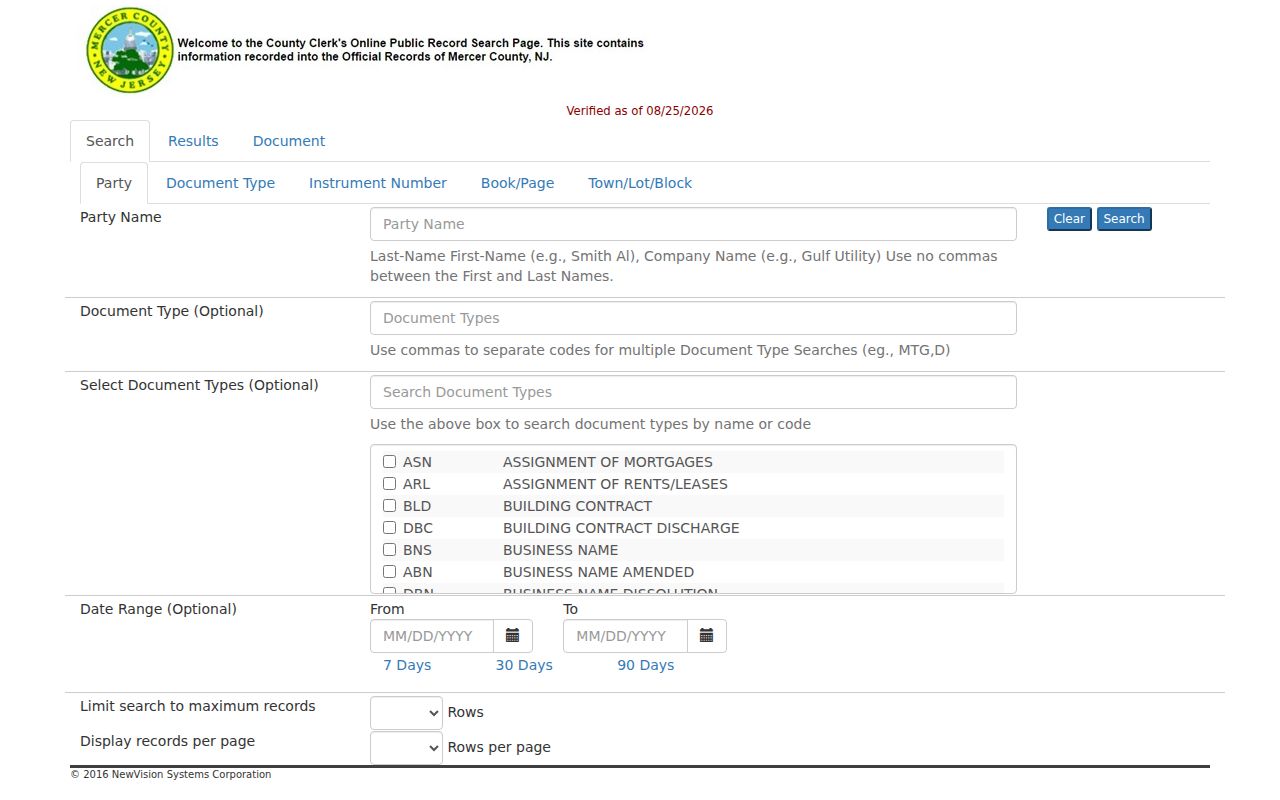
One Princeton deed result can carry the instrument number, recording date and time, book and page, consideration, legal description, party labels, and related documents. Images may be absent or restricted.
| Princeton record route | Useful input | What it establishes | Limit |
|---|---|---|---|
| Tax-map PDFs | Street, map key, detail sheet | Block, lot, map context | Assessment map, not title |
| NJ GIS Property Explorer | Address, county, municipality, block, lot | Parcel and map geometry | Owner names are redacted |
| Mercer instrument index | Party, town, lot/block, instrument, book/page | Recorded document and parties | Online coverage and images vary |
| Clerk Records Room | Instrument or mapped parcel details | Physical-record access route | Staff do not conduct title searches |
Princeton GIS Map Layers
Princeton’s map tools answer a geographic question first. The local tax maps are prepared from surveys, aerial photographs, recorded plans, deeds, and wills. They exist for assessment purposes. Mercer’s public ArcGIS service lists parcels, blocks, buildings, roads, streams, parcel sales, municipalities, and preserved-land layers. Its maximum record count is 1,000. These layers show whether parcels meet at a road or where a block changes. They cannot replace a deed chain. Their geometry should never be used to guess a protected owner field. The NJ GIS Property Explorer documents the statewide public parcel route and its owner-redaction notice.
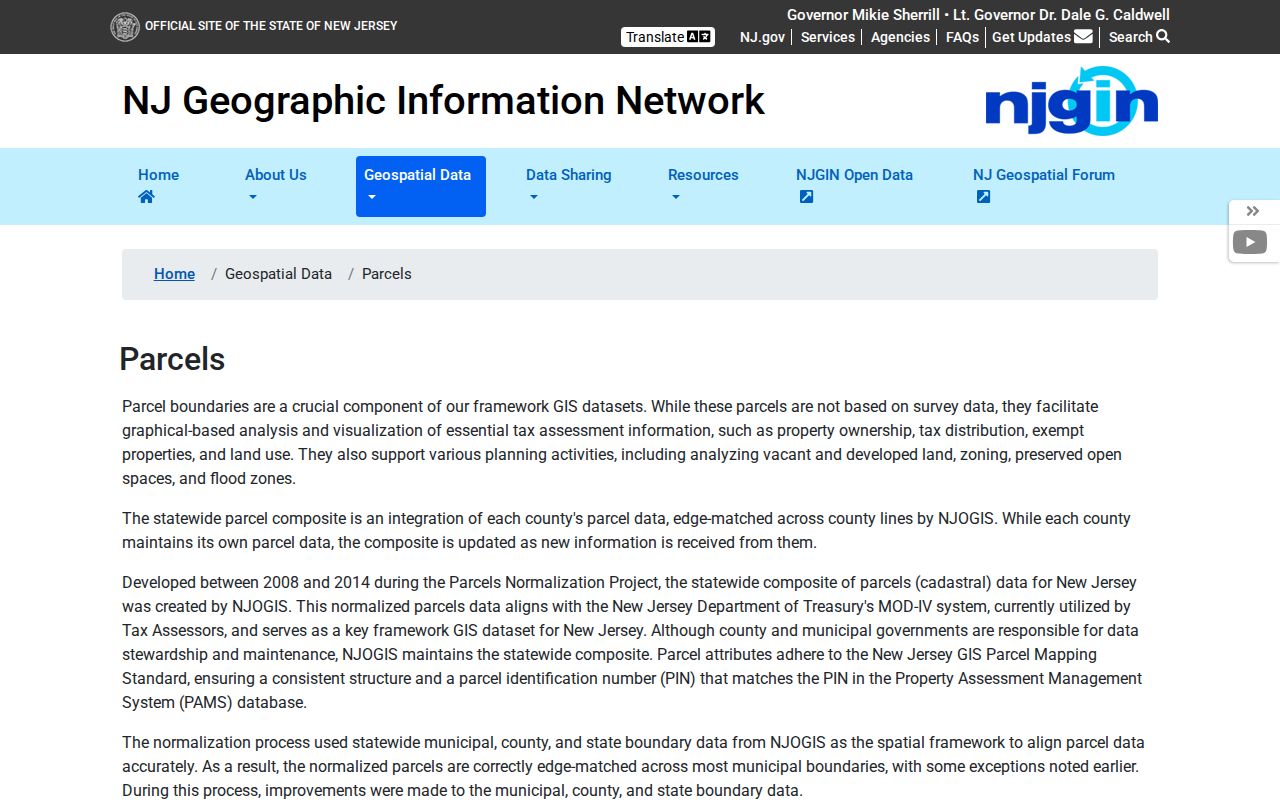
The redaction itself is a meaningful result. Daniel’s Law protection and a map service’s limits point toward an office route, not toward inferring a name from adjacent records.
- Parcel
- A mapped piece of land identified for assessment and legal-record work.
- Situs address
- The physical parcel address, which can differ from an owner’s mailing address.
- Instrument index
- A searchable list of recorded documents, often leading to a deed, mortgage, lien, or release.
- Criss-cross directory
- A historical directory organized by address or telephone order rather than solely by name.
Current Princeton Resident Sources
No single current Princeton residents directory exists. Each official system describes a narrower connection. That might be an instrument party, an assessment-period owner or mailing field, a voter-registration match, a municipal role, a court party, or a licensed professional. That division protects accuracy and privacy alike. A missing result can mean an exact-name mismatch or a different custodian. It can also reflect a date gap, an exemption, a sealed record, or an address-protection rule. Always note the source type and its date beside any record about a person.
| Princeton source | Connection shown | Keeper | Access route |
|---|---|---|---|
| Land instrument index | Recorded party and parcel record | Mercer County Clerk | Free index; images or copies can vary |
| Assessment and tax maps | Assessment-period parcel context | Princeton Tax Assessor | Office, maps, and OPRA route |
| Voter registration | Lawful registration match | NJ and Mercer elections offices | Exact-name lookup or regulated request |
| Public civic materials | Dated official role or meeting appearance | Princeton departments | Directory, agenda, or specific request |
| Business and license files | Public role or credential | State agencies | Official verification tools |
Matching one name to several record types works best through the dedicated Princeton resident lookup route. Before searching, settle what the question really is. A historical query, a civic question, a property question, and an event record each lead down a different path in the Princeton residents directory.
Princeton Voter Records Limits
New Jersey’s Voter Search is built for exact-match checks. It is not meant for browsing a Princeton household list. The New Jersey Voter Search is the official entry point for that exact-name check. State guidance says the name must match the county record exactly. Hyphens, spaces, married names, middle initials, and nicknames can make an otherwise valid search fail. A successful match can confirm limited details. These include spelling, date of birth, city or county, and voter ID where available. Field layouts may change, so expect the screen to differ from past descriptions. Treat the result carefully. Do not republish a voter address. Do not read inactive status as proof of a move or death.
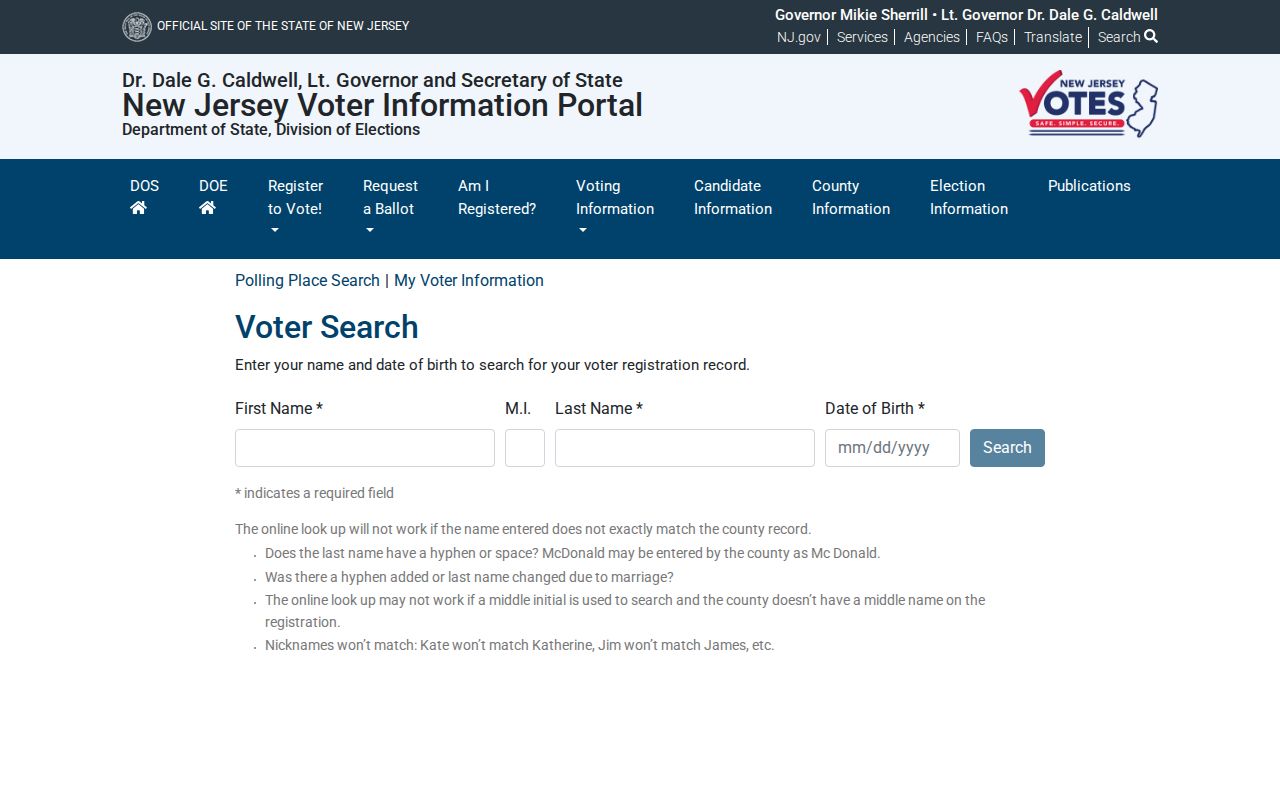
Broader Mercer voter lists follow a request path. They can be sought through the Superintendent of Elections under OPRA and N.J.S.A. 19:31-18.1, which asks for a particular description and a noncommercial-use statement. The county page does not confirm a current electronic format or field schedule. So requesters should expect to specify what they need.
Lawful use. A regulated voter record is not permission to assemble or publish a private address roster. Use official records for a specific, lawful question and do not use them to stalk, harass, or harm anyone.
Princeton ZIP Record Geography
Postal routing and municipal jurisdiction do not line up in Princeton. ZIP 08542 serves the central town. ZIP 08540 appears within Princeton but also extends into neighboring municipalities. Princeton University uses 08544 as a campus-mail and package convention. That is not a household routing at all. Before any record is labeled Princeton, check the full address. Use USPS and the municipal boundary tool to do it. Relying on a ZIP alone can pull nearby places or campus mailboxes into a search. That search should stay limited to the municipality. USPS ZIP Code Lookup validates the postal address. It can return ZIP+4 routing details for the ZIP code directory work.
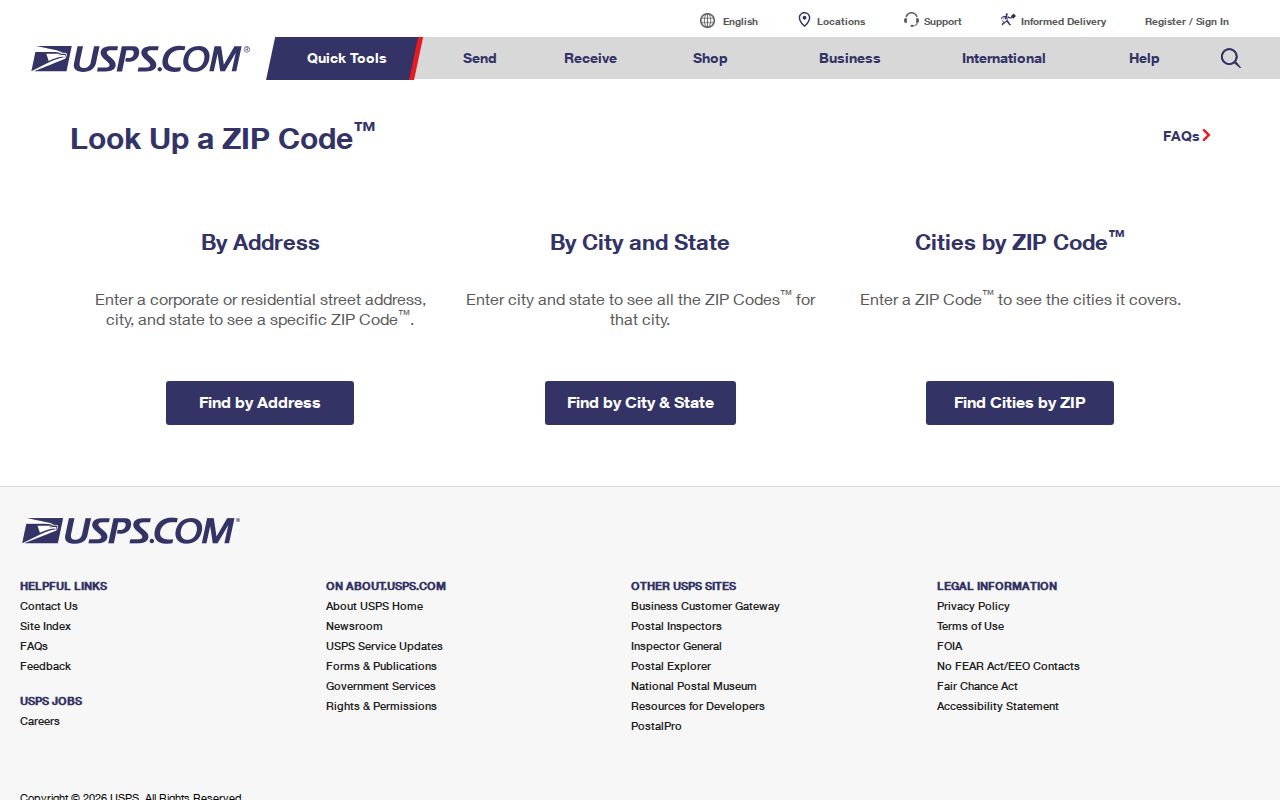
Postal validation answers a mailing question. It does not prove municipal residency, ownership, or a private household connection in Princeton. Use it to confirm a ZIP code, not to settle residency.
Princeton Courts and Vital Routes
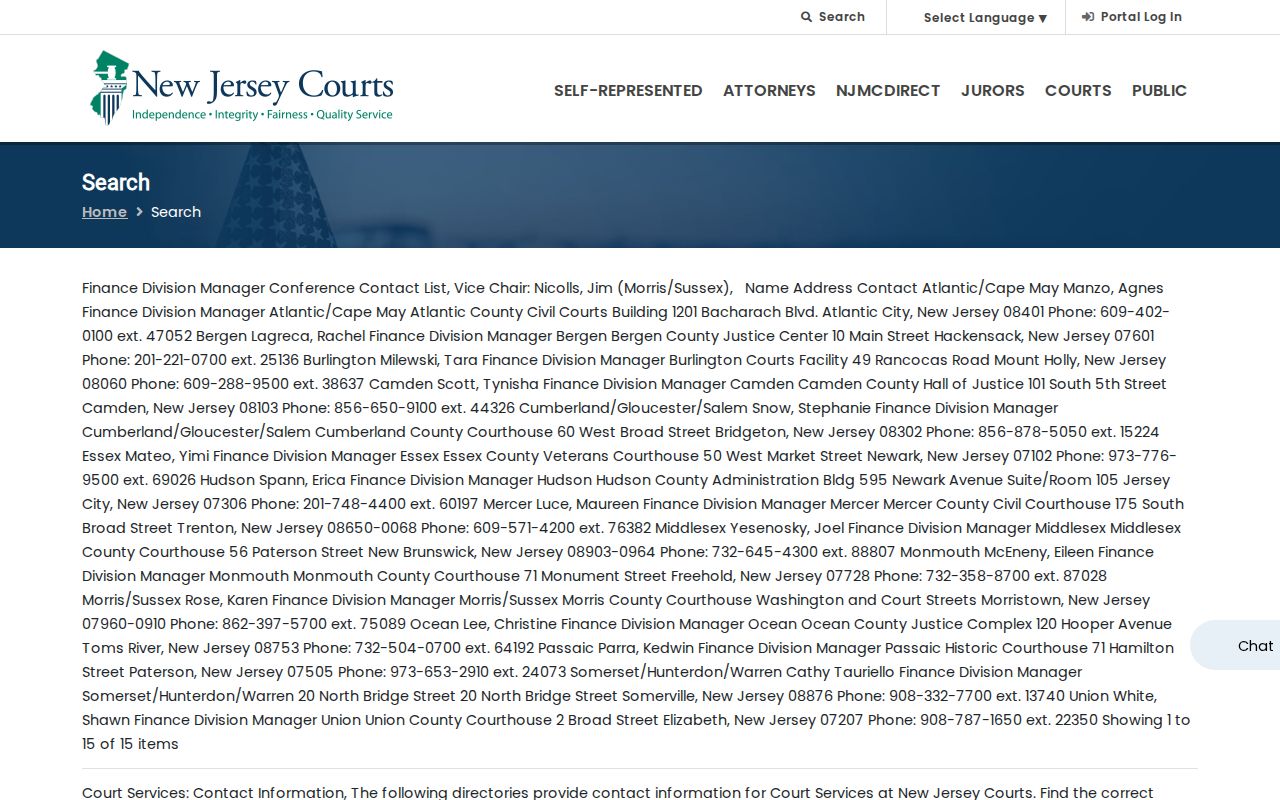
One name can surface in several official systems for unrelated reasons. New Jersey Courts separates civil, criminal, judgment, tax, and municipal paths. NJ Courts Find a Case is the official routing page for public state case categories. Its public case-jacket training describes searches by docket number, party name, or judgment. Searchers choose Individual or Business. Fields cover last, first, and optional middle initial. A useful result keeps the court, case type, party role, status, and date attached. That is all it shows. A case result is not evidence of guilt, identity, or residence. Princeton Municipal Court handles local traffic, ordinance, and disorderly-persons matters. Missing or restricted records follow the court request route.
Vital records follow a different custody system. Princeton’s local registrar, the state Office of Vital Records, and the State Archives divide access by event, year, and eligibility. A separate question is whether a request is genealogical. Where an event was recorded decides who holds the record. Remember that an event in Princeton is not the same as a person’s residence.
Historic Princeton Directory Sources
Earlier Princeton households are best documented with a date beside each source. The Princeton Public Library’s Princeton Room holds print city directories from about 1916–1917 through 1982, with gaps. It also holds three reels of Princeton city-directory microfilm covering 1901–1935. HeritageQuest offers selected years to eligible library cardholders. The room also notes community phone books. These include Princeton and Suburban Trenton volumes, Yellow Book years, and criss-cross directories organized by street address or telephone. A historical listing can place a name or contact at an address for its publication year. It cannot establish continuous occupancy or a present address. The Princeton Room local-history guide identifies the directory, map, newspaper, microfilm, census, and genealogy holdings. It serves anyone tracing past residents of Princeton.
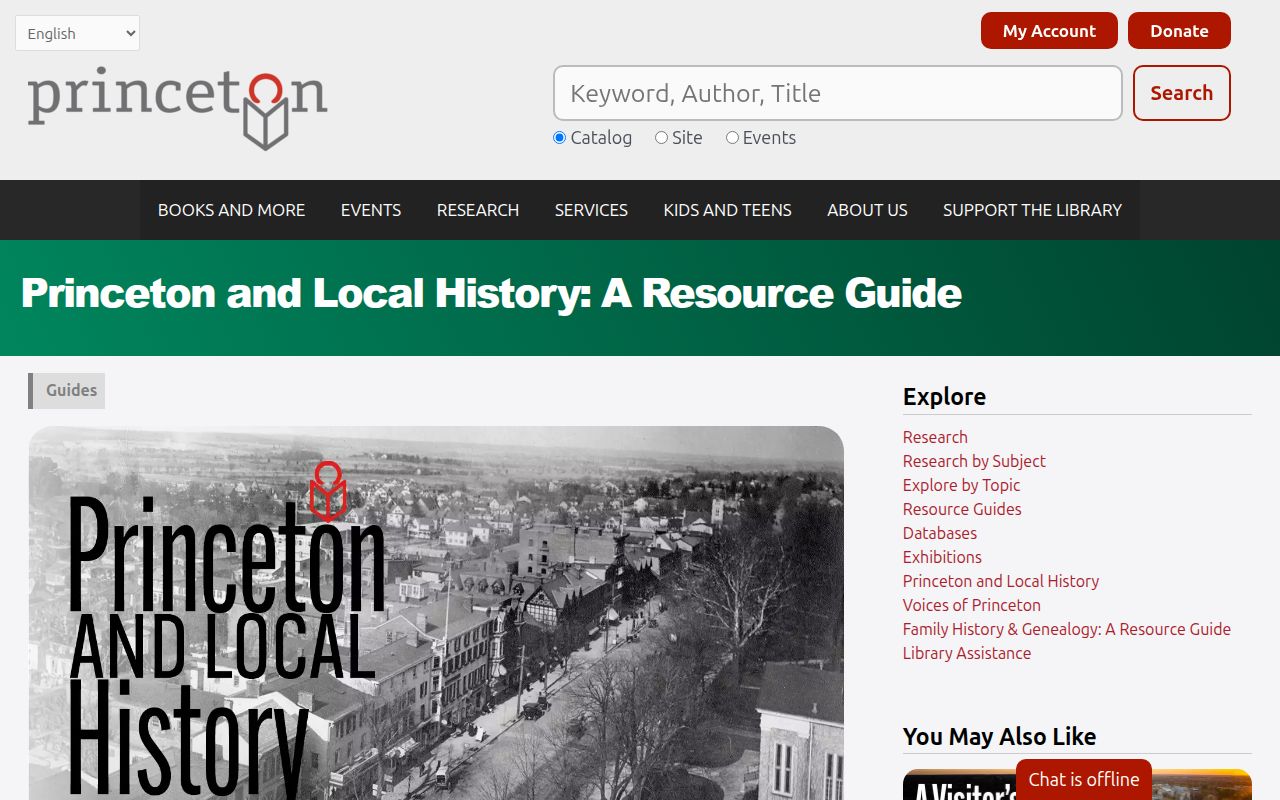
The room sits inside Princeton Public Library at 65 Witherspoon Street. Its second-floor desk can help identify a volume or reel when an online year is missing.
- Transcribe the publication title, year, edition, and page or reel.
- Keep the printed street and municipality label exactly as shown.
- Record whether the source is print, microfilm, scan, or a partial index.
- Compare a directory year with a census, deed, newspaper, or probate source.
Princeton Room and Archives
The Princeton Room and the Historical Society of Princeton cover different parts of a historical search. The Library is strong for directories, newspapers, maps, census guidance, and microfilm. The Historical Society’s digital database holds nearly 4,000 photographs. Only part of the holdings is searchable online. Its broader collections include family papers, deeds, oral histories, architecture, institutions, and neighborhood materials. For a house-history or person question that a catalog entry cannot answer, the Historical Society accepts written research inquiries. It also documents its current research, appointment, and copy terms. Start with the library collection for dated directory work. Turn to the Historical Society or State Archives when the question needs a house file, oral history, family paper, older census, naturalization, or probate lead. Splitting the work this way saves effort. Each institution answers a different slice of the question.
Princeton Privacy Boundaries
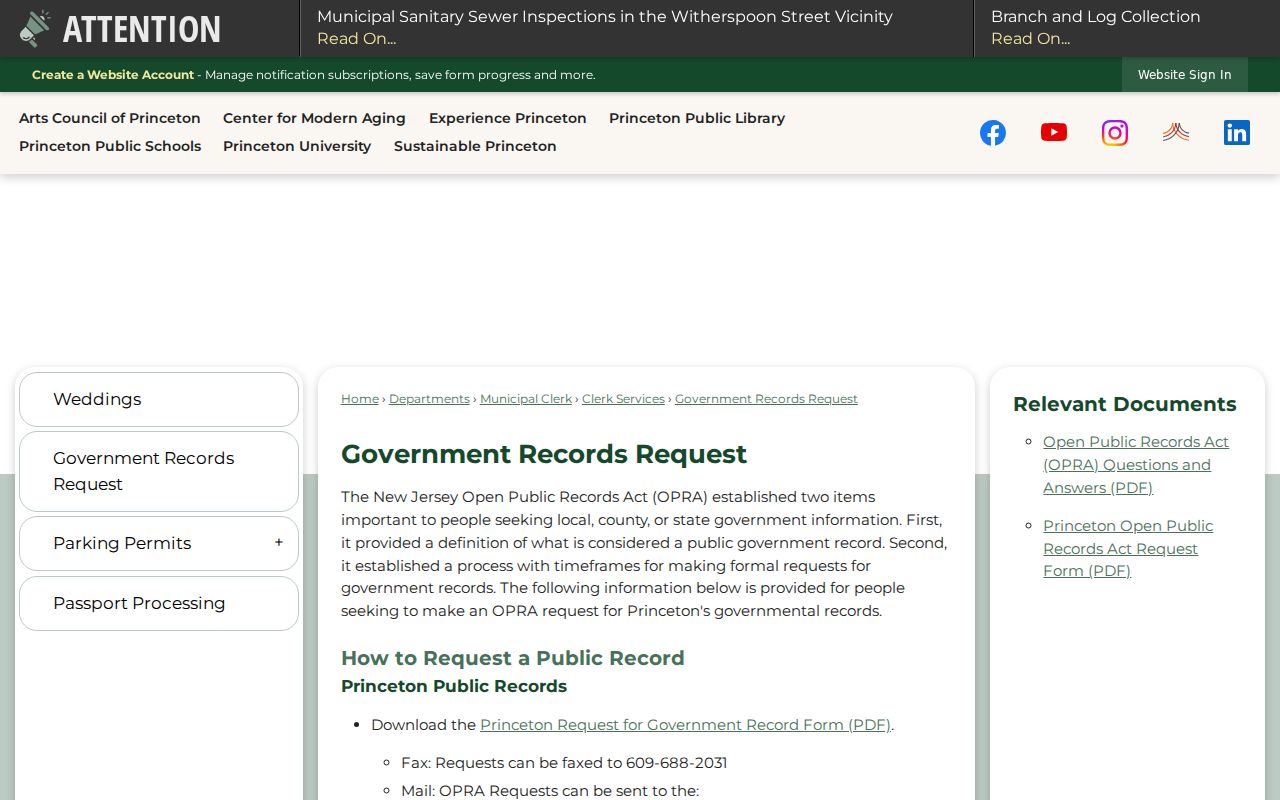
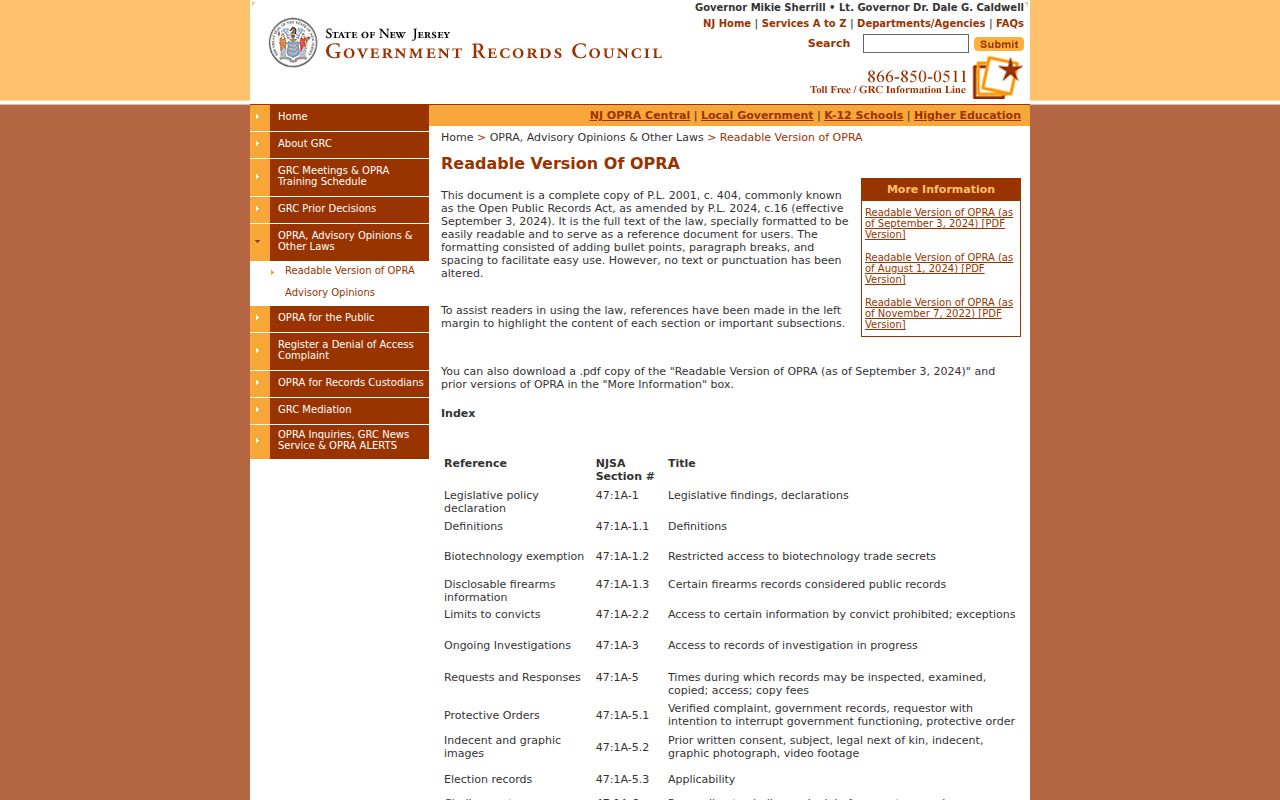
New Jersey’s Open Public Records Act, N.J.S.A. 47:1A-1 et seq., provides a way to request a specific government record. The request goes to the correct custodian. It does not require an agency to create a new record or disclose exempt material. Princeton’s OPRA route covers municipal records, subject to exemptions. Examples include maps, agendas, contracts, minutes, photographs, and electronic material. Other limits stand apart from OPRA. Court confidentiality rules, vital-record eligibility, protected identifiers, and motor-vehicle privacy remain separate boundaries. Princeton’s Government Records Request page provides the municipal form, portal, and mail or fax route. Ask for a particular record, date range, address, or instrument number. Do not request an entire private-person file.
Statewide rules sit above the municipal process. New Jersey OPRA guidance explains the written-request and custodian framework and serves as the state reference for access rules and appeals.
Two protections can change what a search returns. Daniel’s Law and the Address Confidentiality Program can remove home-address information from an otherwise familiar record path. A blank result can be a privacy protection or a records gap, never an invitation to infer an address.
Princeton Official-Source Check
Official records and commercial data products answer different questions. A city directory entry comes from a named custodian. It carries a date, an access rule, and a clear way to request corrections. A commercial profile may not. Such products can blend stale resident records with mismatched material while hiding the record date and the office that holds the source. Family-history questions tend to do better elsewhere. A library residents directory paired with a deed and a parcel map often beats an undated profile. Questions about a person's public role need firmer anchors. A dated agenda and the organization's own listing carry more weight than any third-party snapshot.
| Approach | Best use | What to retain |
|---|---|---|
| Official custodian | Specific instrument, request, or public role | Record type, date, source, and access route |
| Library or archive | Historical household or address trail | Publication year, reel/page, and collection condition |
| Commercial category | Not a source for a Princeton record conclusion | Verify any claim at the actual custodian |
Note: Confirm unusual payment notices, deed alerts, or business filings at the official agency domain before sharing personal details or sending money.